Kitchen remodeling is often associated with visual upgrades and modern finishes, but the most successful projects go deeper than appearance. A truly effective remodel focuses on how people live, cook, gather, and move throughout the space every day. Instead of treating the kitchen as a showpiece, many homeowners are now prioritizing comfort, efficiency, and practicality. This shift toward lifestyle-centered design has transformed kitchen remodeling into a process that balances beauty with real-world functionality.
Unlike past trends that emphasized uniformity, modern Kitchen Remodeling Boston celebrates personalization. No two households use their kitchens in the same way, which means design choices should reflect individual habits and routines. Some families need open areas for socializing, while others prefer clearly defined work zones that make cooking more organized. By tailoring layouts to everyday needs, a remodeled kitchen can feel intuitive rather than overwhelming.
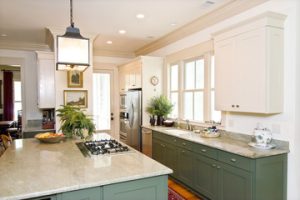
Understanding How Daily Habits Shape Design
One of the most overlooked aspects of kitchen remodeling is analyzing how the space is actually used. Before selecting materials or colors, it’s important to understand where preparation happens, how frequently appliances are used, and which areas tend to feel crowded. Observing these patterns allows designers to create a layout that supports efficiency without sacrificing style.
For example, placing frequently used items within easy reach can reduce unnecessary movement, while dedicated storage zones help maintain a clutter-free environment. Instead of adding more cabinets simply to increase capacity, thoughtful organization ensures that every section of the kitchen serves a clear purpose. This approach encourages a calmer atmosphere and helps daily tasks feel more manageable.
Another key factor is flexibility. Modern kitchens often serve multiple roles, from cooking spaces to gathering areas or even temporary workstations. Designing with adaptability in mind allows the space to evolve alongside changing lifestyles. Features such as movable seating, expandable surfaces, or multi-purpose islands make it easier to transition between different activities throughout the day.
Layout Strategies That Prioritize Comfort and Flow
The layout of a kitchen has a direct impact on how comfortable it feels. Even the most visually stunning remodel can fall short if movement feels restricted or inefficient. Thoughtful layout planning focuses on creating smooth pathways, balanced work zones, and clear visual lines that enhance the overall experience.
One effective strategy is dividing the kitchen into functional zones. Preparation areas, cooking stations, and cleaning spaces can be arranged to minimize overlap while still maintaining a cohesive design. This structure helps reduce congestion and allows multiple people to use the kitchen at the same time without interference.
Another important consideration is spacing. Leaving enough room between countertops and seating areas ensures that the kitchen remains accessible even during busy moments. Strategic placement of appliances also contributes to a more comfortable workflow. By aligning key elements with natural movement patterns, remodeling projects can create a space that feels effortless to navigate.
Lighting plays a significant role in layout design as well. Combining natural light with layered artificial lighting helps define different zones and enhances the overall ambiance. Bright task lighting improves visibility for cooking, while softer ambient lighting creates a welcoming environment for relaxation or socializing.
Practical Upgrades That Improve Everyday Functionality
Kitchen remodeling doesn’t always require dramatic structural changes to make a noticeable difference. Sometimes, smaller functional upgrades have the greatest impact on daily routines. These improvements focus on enhancing convenience and reducing maintenance while maintaining a polished appearance.
- Pull-out storage systems – Sliding shelves and hidden compartments make it easier to access items without cluttering countertops.
- Integrated charging areas – Dedicated spaces for devices help maintain organization in a technology-driven household.
- Multi-level surfaces – Varying counter heights create separate zones for preparation, dining, or casual seating.
- Soft-close cabinetry – Subtle hardware upgrades reduce noise and improve long-term durability.
These features highlight how thoughtful design choices can elevate both comfort and efficiency. Instead of focusing solely on decorative elements, practical upgrades ensure that the kitchen continues to perform well long after the remodel is complete.
Choosing Materials That Balance Durability and Warmth
Material selection is one of the most exciting aspects of kitchen remodeling, but it also requires careful consideration. Kitchens are high-traffic environments exposed to heat, moisture, and frequent cleaning, which means surfaces must withstand daily use without losing their appeal. Durable countertops, moisture-resistant cabinetry, and easy-to-maintain flooring all contribute to a space that feels both beautiful and functional.
Modern design trends often favor materials that combine strength with visual warmth. Textured finishes, subtle patterns, and natural-inspired surfaces can add character while maintaining a timeless aesthetic. Mixing materials thoughtfully—such as pairing smooth cabinetry with textured backsplashes—creates visual interest without overwhelming the design.
Color palettes also play a role in longevity. Neutral tones with gentle contrasts allow the kitchen to adapt to changing decor styles over time. Instead of relying on bold trends that may feel dated later, choosing balanced color schemes helps ensure that the space remains fresh and inviting for years.
Storage Solutions That Reduce Stress and Clutter
Storage is one of the most important factors influencing how a kitchen feels on a daily basis. Insufficient storage can quickly lead to overcrowded surfaces and frustration, while well-planned solutions create a sense of order and calm. Modern remodeling projects focus on maximizing vertical space, incorporating hidden compartments, and designing cabinets that adapt to specific needs.
Deep drawers, vertical dividers, and corner organizers are just a few examples of how storage can be optimized. By customizing these elements during the remodeling process, homeowners can ensure that every item has a designated place. This level of organization not only improves efficiency but also enhances the overall appearance of the kitchen.
Here are a few strategies that help make storage more effective:
- Group items by function – Keeping cooking tools, utensils, and cleaning supplies in separate zones improves accessibility.
- Use adjustable shelving – Flexible storage allows the kitchen to evolve as needs change.
- Incorporate concealed storage – Hidden compartments maintain a streamlined aesthetic while providing additional space.
Thoughtful storage design demonstrates how small details can have a lasting impact on everyday comfort.
Creating a Kitchen That Encourages Connection
Beyond functionality, kitchen remodeling also shapes how people interact within the space. Many homeowners now view the kitchen as a central gathering area where conversations, meals, and shared experiences come together. Designing with connection in mind involves creating inviting seating areas, open sightlines, and layouts that encourage interaction without disrupting workflow.
Islands and extended countertops often serve as social hubs, providing a place for casual dining or conversation while cooking. Integrating these features into the layout allows the kitchen to support both productivity and relaxation. Soft textures, warm lighting, and balanced proportions further enhance the welcoming atmosphere.
Another way to encourage connection is by incorporating visual continuity between the kitchen and adjacent spaces. Matching finishes or repeating design elements helps create a seamless transition that makes the entire home feel more cohesive. This sense of unity strengthens the kitchen’s role as a central part of daily life.
Planning for Long-Term Adaptability
One of the most valuable aspects of kitchen remodeling is the opportunity to future-proof the space. Designing with flexibility ensures that the kitchen remains functional even as needs evolve. This might include installing additional electrical capacity, choosing modular cabinetry, or leaving room for future appliance upgrades.
Adaptability also involves considering how design trends may change over time. Selecting timeless architectural features and versatile layouts helps prevent the need for frequent renovations. By focusing on long-term usability rather than short-term trends, homeowners can create a kitchen that continues to feel relevant and comfortable.
Maintenance planning is another essential component of adaptability. Choosing finishes that are easy to clean and resistant to wear helps preserve the kitchen’s appearance with minimal effort. Routine care becomes simpler when materials are selected with durability in mind.
Kitchen remodeling has evolved into a deeply personal and practical process that goes far beyond visual upgrades. By focusing on real-life routines, thoughtful layouts, and functional design choices, homeowners can create spaces that truly support everyday living. The most successful kitchens balance beauty with efficiency, ensuring that every detail contributes to comfort and usability.
A well-planned remodel transforms the kitchen into more than just a place to cook—it becomes a versatile environment where creativity, connection, and relaxation come together naturally. Through careful planning, durable materials, and a commitment to long-term adaptability, kitchen remodeling can deliver lasting value while enhancing the way people experience their homes every day.